
At a time when there is more and more talk about the need to protect the environment, climate change and sustainability, scrap metal buying is gaining new importance. It is no longer just a place where you can get rid of unwanted metal objects and earn something in the process. It is also one of the tools to support circular economya model in which waste is not the problem, but rather a valuable resource.
While it may not seem like a big deal to hand over an old washing machine, rusty radiator or cable for collection, the reality is that the impact of these actions is huge - both on the environment and the economy as a whole. Find out how this mechanism works and why every kilo of scrap metal counts.
The circular economy - what is it all about?
The traditional economy is based on a 'take - use - throw away' model. We extract raw materials, process them into products, use them and then throw them away. Such a model prevailed for years, but it is now known to be inefficient, costly and leads to environmental degradation.
In turn the circular economy (GOZ) operates according to the 'use-reclaim-reuse' principle. The aim is to maximise the use of materials that are already in circulation. Recycling, repair, reprocessing and recovery of raw materials are its foundations.
Scrap metal collection Jasło fits this model perfectly - because metals are materials that can be processed almost indefinitely without losing their properties.
Why is metal recycling so environmentally important?
Metals are non-renewable raw materials - their resources are limited and their extraction and processing consume huge amounts of energy, water and chemicals. Meanwhile, recycling scrap metal makes it possible:
-
significantly reduce energy consumption (up to 95% less compared to primary production, as in the case of aluminium),
-
reduce greenhouse gas emissions (e.g. steel recycling reduces CO₂ emissions by more than 70%),
-
reduce the need for water and chemicals,
-
limit the exploitation of mining areaswhich means less damaged landscape and nature,
-
reduce the amount of waste going to landfill.
In other words: every steel pipe, aluminium rim or copper cable that is returned is a real step towards protecting the environment.
How does the process from waste to raw material work?
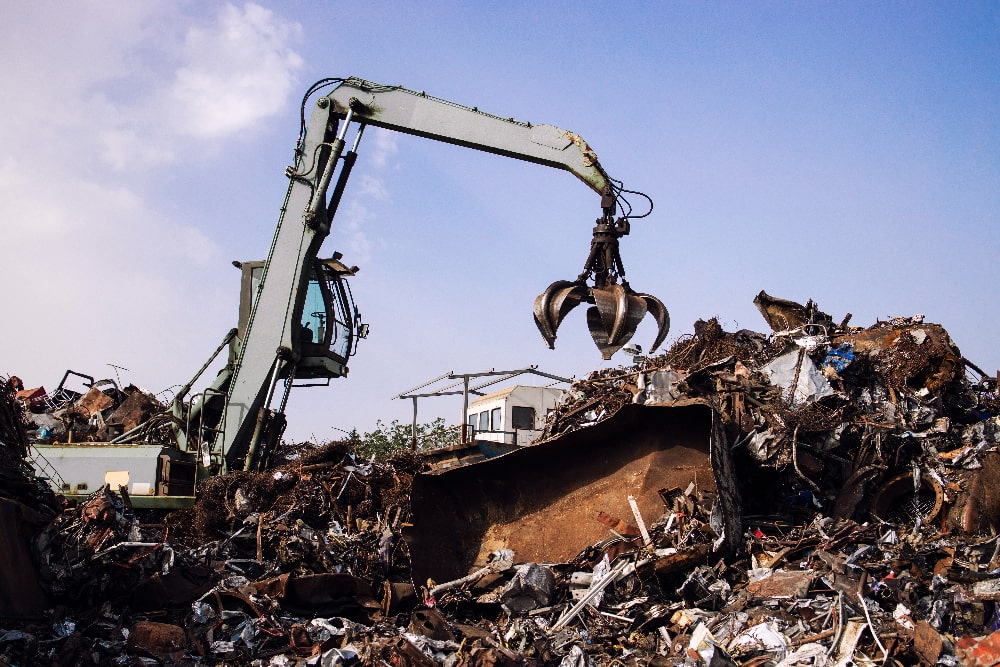
Scrap metal Ropczyce surrendered to legal collection goes to a processing plant, where it is segregated, cleaned and remelted. Raw materials recovered in this way go back into production and are sent to smelters, foundries or industrial plants.
Recycled products include:
-
new steel constructions (e.g. bridges, halls, fences),
-
car and bicycle parts,
-
domestic appliances (e.g. washing machine housings, cookers, dishwashers),
-
aluminium packaging,
-
garden furniture and interior design elements,
-
new pipes, tubes, profiles and sheets.
It is a closed loop - a new product is created from the waste, which can be used again and then recycled again.
How can you support the circular economy as an individual?
You don't have to run a big business to have an impact on the environment and the recycling system. You just need to consciously manage what you have at home, in your workshop or on your allotment.
Here is how you can act:
-
segregate metals and don't throw them in mixed waste - every kilo counts,
-
take the scrap to a legal collection pointwhich works with recycling facilities,
-
collect old cables, metal parts, household appliances - even if they are small, they can be processed,
-
educate household members and friendsthat buying scrap metal is not just a way of making a profit, but a real contribution to the environment.
Even if you receive a few tens of zlotys from a single delivery - the environmental value of your action is much greater.
Scrap metal buying as part of the local economy
It is also worth noting that scrap yards are an important part of the local circular economy. They act not only as metal collection points, but also:
-
create jobs,
-
support the development of the recycling sector and the processing industry,
-
increase the country's raw material independence,
-
reduce waste disposal costs.
This is an example of how local, everyday actions fit into global environmental trends.
Summary - Your scrap, our future
Selling scrap metal is not only a way of generating additional income. It is also a conscious choice which supports an economy based on rational use of resources. Thanks to scrap metal buying, waste becomes a valuable raw material and you - quite simply, without much effort - can make a real impact on the environment.
The circular economy is not an abstraction from EU documents - it is something you participate in every time you separate metals and return them for collection. The more people take this step, the greater the benefits - environmental, economic and social.


