
Every construction project starts with design, plans and schedules. However, before the first machines or workers arrive on site, something absolutely basic has to be taken care of - proper site security. Construction fencing is not only a legal obligation, but also a key organisational and image element. Choosing the right fencing system is of great importance for safety, efficient logistics and the aesthetics of the entire project.
Planning stage - investment needs under the magnifying glass
The selection of a construction fence should be preceded by an analysis of the nature of the project. Construction sites in the centre of a large city have different requirements, industrial areas have different requirements and small road renovations have different requirements. It is important to determine how long the fence will be used, what risks need to be eliminated and what role - apart from protection - it should play. It is at the planning stage that we decide whether openwork panels for visibility or solid panels for privacy and dust protection are the better solution.
Safety first
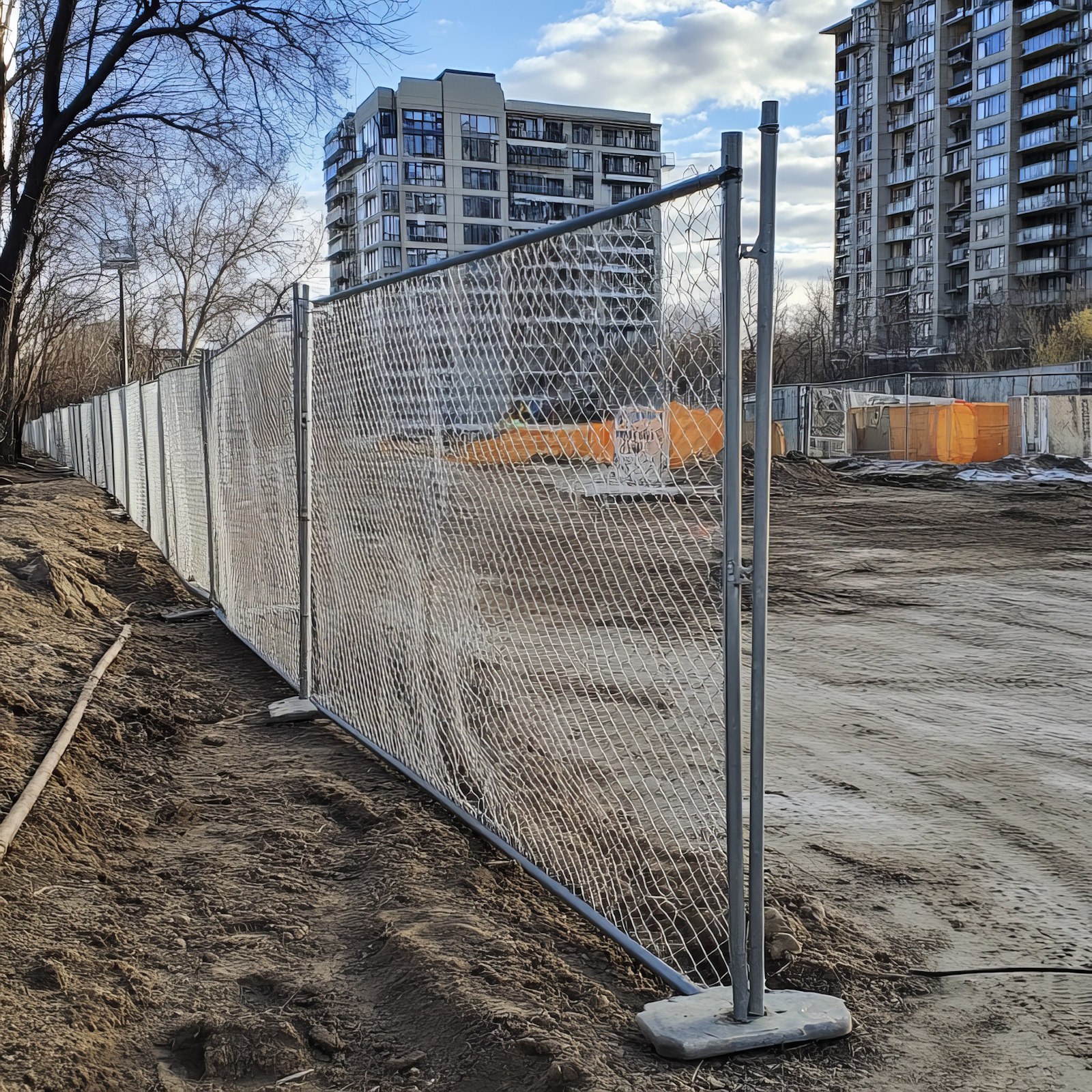
The primary function of a construction fence is protection. It is to prevent access by outsiders, minimise the risk of accidents and protect valuable materials and equipment. Structural stability, weather resistance and compliance with building regulations are criteria that must be met regardless of the location and nature of the project. A well-chosen rental of temporary fences is a guarantee of peace and quiet for both the investor and the residents of the surrounding area.
Site functionality and logistics
A fence is not only a barrier, but also an organisational tool. It can be used to demarcate vehicle entry and exit zones, material storage areas or employee circulation routes. In practice, this means better order, a smoother schedule and greater security. Mobile panel fencing systems allow rapid changes to the layout, which is particularly important for projects carried out in stages.
Aesthetics and corporate image
A construction site is always visible to its surroundings. How it looks has a direct impact on the image of the developer and the contractor. Construction fencing can act as a business card - neat panels, aesthetically pleasing banners or visualisations of a future investment build a positive image of the company. Increasingly, fences are also being used as advertising media to promote a brand in public spaces at no extra cost.
Renting or buying?
At the fencing selection stage, it is also important to consider whether it will be more cost-effective to buy or hire. Companies with multiple projects at the same time often opt to buy, which allows them to remain independent. For smaller developments or short-term work, renting is a more flexible and cost-effective option. Whichever form is chosen, it is crucial that fencing is sourced from reliable suppliers and meets all safety standards.
Implementation and assembly
Once the choice has been made, the time for implementation arrives. The installation of the fence should be quick, efficient and carried out by an experienced team. Modern panel systems are designed to be installed without the use of specialised equipment, while guaranteeing stability and resistance to harsh weather conditions. Professional installation is the final step that completes the process from design to finished, secure site.
Summary
Selecting the perfect construction fence is a process that begins at the planning stage of a project and ends with its professional installation. The right fence protects, organises the space, supports logistics and builds the image of the company. It is an investment which translates into safety, the smooth running of the works and a positive public perception of the whole project. It is therefore safe to say that every fence is not only a barrier, but also an important element in the success of an investment - from design to completion.


